Bulk sweatshirt fabrics: GSM, fleece & French terry for comfort & quality. Get a Free Quote today! Bulk Sweatshirts Fabric Guide: ...
Bulk sweatshirt fabrics: GSM, fleece & French terry for comfort & quality. Get a Free Quote today!
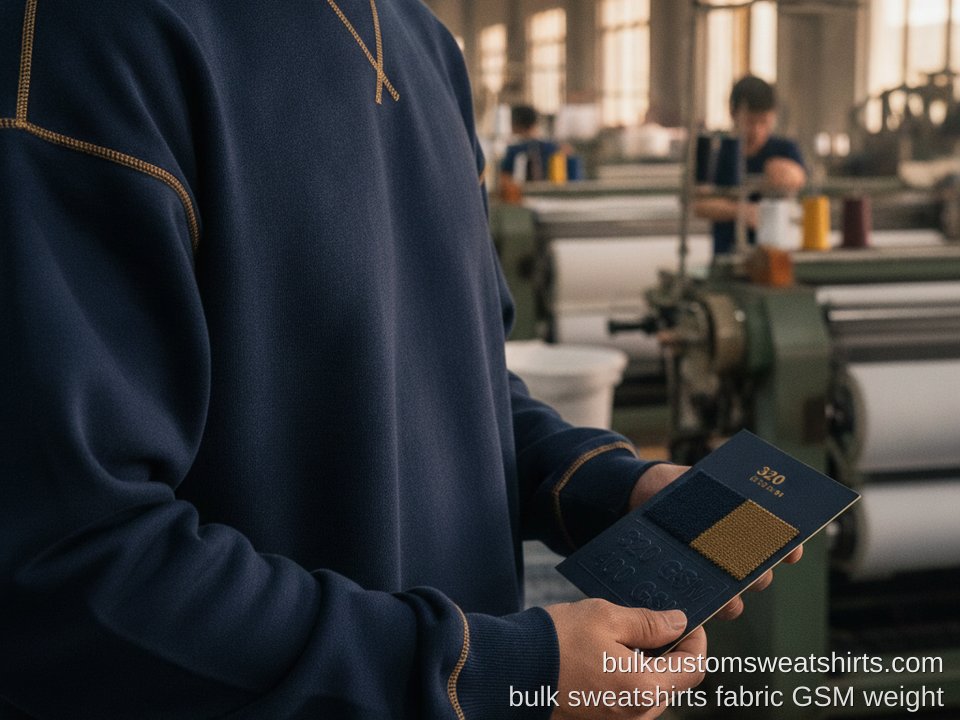
Bulk Sweatshirts Fabric Guide: GSM, Fleece, French Terry & Performance Blends
Selecting the right fabric for your bulk sweatshirts order is a critical decision that directly impacts the comfort, durability, and perceived value of your final product. Understanding fabric weight, specifically GSM (Grams per Square Meter), is fundamental for technical buyers. This guide will demystify common sweatshirt fabrics like fleece and French terry, explore their variations, and touch upon performance blends, equipping you to make informed choices for your custom apparel needs.
At Bulk Custom Sweatshirts, operated by Gold Garment in Ho Chi Minh City, Vietnam, we understand that fabric selection is paramount. Our expertise in manufacturing high-quality custom apparel, with a minimum order quantity (MOQ) of just 100 pieces, allows us to cater to a wide range of client needs. We pride ourselves on factory-direct pricing and worldwide shipping, ensuring you receive exceptional value. For businesses looking to source apparel directly from the source, understanding the nuances of fabric weight and composition is key, as detailed in our guide on Vietnam textile sourcing.
Understanding GSM: The Foundation of Fabric Weight
GSM (Grams per Square Meter) is the universal standard for measuring fabric density and weight. It indicates how much one square meter of fabric weighs. For sweatshirts, GSM is a crucial metric for determining warmth, drape, and overall feel. Generally, a higher GSM indicates a heavier, warmer, and more substantial fabric, while a lower GSM suggests a lighter, more breathable material.
The appropriate GSM for your bulk sweatshirts will depend on their intended use and the climate they will be worn in. For instance, lighter-weight garments for transitional seasons might fall in the 200-280 GSM range. Mid-weight options, suitable for general wear and moderate temperatures, typically range from 280-350 GSM. For exceptionally warm and heavy-duty sweatshirts, often preferred for colder climates or workwear, GSM can exceed 350.
Choosing the correct bulk sweatshirts fabric GSM weight ensures your custom apparel meets expectations. A fabric that is too light might feel cheap, while one that is too heavy could be uncomfortable in milder conditions. This metric is a primary consideration when discussing custom apparel with your manufacturing partner, influencing everything from material cost to shipping expenses.
Exploring Common Sweatshirt Fabrics
The most prevalent fabrics for bulk sweatshirts are variations of cotton knits, primarily fleece and French terry. Each offers distinct characteristics that cater to different design and functional requirements.
Fleece: The Classic Choice for Warmth
Fleece is a brushed knit fabric known for its exceptional softness, warmth, and comfort. It's created by raising the fibers on one side of the fabric, resulting in a fuzzy, napped surface. The reverse side is typically smooth, often resembling a jersey knit.
Types of Fleece:
- Brushed Fleece: This is the most common type, characterized by its distinct fuzzy texture on the inside. It provides excellent insulation and a cozy feel, making it ideal for everyday wear and colder weather.
- Unbrushed Fleece (or French Terry): While often grouped with fleece, unbrushed fleece is essentially French terry. The key difference is the lack of brushing on the inner loops, resulting in a smoother interior.
GSM Range for Fleece: Typically, fleece fabrics range from 240 GSM to over 400 GSM, with 280-350 GSM being a popular sweet spot for a good balance of warmth and weight. The higher the GSM, the heavier and warmer the fleece.
Applications: Fleece is perfect for casual hoodies, crewneck sweatshirts, and loungewear where comfort and warmth are primary concerns. Its ability to trap air makes it an excellent insulator.
French Terry: Versatile and Breathable
French terry is a knit fabric that has a smooth outer surface and a loop-like texture on the inside. Unlike fleece, the loops are not brushed, making it lighter and more breathable. This construction gives French terry excellent moisture-wicking properties and a soft, comfortable feel against the skin.
GSM Range for French Terry: French terry fabrics are generally lighter than fleece, commonly found in the 200-300 GSM range. Lighter weights (around 200-240 GSM) are great for warmer climates or activewear, while heavier weights (250-300 GSM) offer a bit more substance for transitional weather.
Applications: French terry is highly versatile. It's an excellent choice for lighter-weight hoodies, quarter-zip sweatshirts, and athleisure wear. Its breathability makes it suitable for active use or for those who prefer a less heavy garment. Understanding the benefits of french terry bulk sweatshirts is crucial for brands targeting a more athletic or lifestyle-oriented market.
Fleece vs. French Terry: A Comparative Overview
When comparing fleece vs jersey bulk sweatshirts (with French terry being a type of jersey knit), the primary distinction lies in their construction and resulting feel. Fleece is brushed for maximum warmth and softness, making it the go-to for cozy, heavy sweatshirts. French terry, with its looped interior, offers superior breathability and moisture management, making it a more adaptable choice for varied climates and activities.
Consider your target audience and intended use. If the goal is ultimate warmth and a plush feel, fleece is the clear winner. If breathability, moisture-wicking, and a slightly lighter drape are desired, French terry is the superior option. This choice directly influences the perceived quality and functionality of your custom apparel.
Performance Blends: Enhancing Functionality
Beyond traditional cotton knits, many bulk sweatshirts incorporate performance blends to enhance specific attributes. These blends often combine cotton with synthetic fibers like polyester, spandex, or nylon.
- Cotton-Polyester Blends: These are incredibly popular. Polyester adds durability, wrinkle resistance, and faster drying times, while cotton provides softness and breathability. Common ratios are 50/50 or 60/40 cotton/poly.
- Cotton-Spandex Blends: The addition of spandex (typically 2-5%) provides stretch and recovery, resulting in a more comfortable fit that retains its shape over time. This is ideal for activewear or garments that require more freedom of movement.
- Moisture-Wicking Blends: Specialized polyester or nylon blends are engineered to pull moisture away from the body, keeping the wearer dry and comfortable. These are often used in athletic apparel.
The GSM of these blends will still be a key indicator of weight, but the fiber composition will dictate performance characteristics. For example, a 300 GSM cotton-polyester blend will feel different and perform differently than a 300 GSM 100% cotton fleece.
At Gold Garment, a leading Vietnam sweatshirt OEM factory Gold Garment, we work with a variety of these blends to meet diverse client specifications. Our experience ensures that regardless of the fabric chosen, the quality of construction and finishing remains consistently high. This dedication to quality is a cornerstone of our operations in Ho Chi Minh City.
Choosing the Right Fabric Weight and Type
To make the best choice for your bulk sweatshirts, consider these factors:
- Intended Use: Will the sweatshirts be for casual wear, active pursuits, promotional items, or workwear?
- Climate: Is the target market in a cold, temperate, or warm region?
- Desired Feel: Do you prioritize plush softness (fleece) or breathability and a smoother finish (French terry)?
- Durability and Maintenance: Do you need a fabric that is exceptionally durable and easy to care for (blends often excel here)?
- Budget: Different fabric compositions and weights can affect per-unit costs.
Our comprehensive bulk sweatshirts: Complete OEM & Private Label Manufacturing Buyer's Guide offers further insights into the manufacturing process and decision-making. For brands interested in the intricacies of production, our article on How bulk sweatshirts Are Made: The Complete Manufacturing Process Explained provides valuable context.
Frequently Asked Questions
Q: What is the most common GSM weight for everyday bulk sweatshirts?
A: For general-purpose, everyday wear, a GSM range of 280 to 350 is most common. This range offers a good balance of warmth, weight, and comfort without being overly heavy or too light.
Q: Can I mix and match fabric types for my bulk order?
A: While we can accommodate complex requests, it's generally more efficient and cost-effective to select one primary fabric type and weight for a single order. This simplifies production and quality control. However, different styles within your order might utilize different fabrics, provided they meet the MOQ requirements as outlined in our bulk sweatshirts MOQ Guide.
Q: How does fabric choice affect printing and embellishment options?
A: Smoother fabrics like French terry are often better for detailed prints and embroidery, as they provide a more even surface. Fleece, with its brushed texture, can sometimes make fine details less sharp, though it's excellent for bold designs and offers a great base for puff print or chenille patches. Certain performance blends might also have specific requirements for application methods.
Q: What are the benefits of factory-direct sourcing for bulk sweatshirts?
A: Factory-direct sourcing, like that offered by Bulk Custom Sweatshirts, provides significant advantages including competitive pricing, direct communication with the manufacturer, better quality control, and the ability to customize every aspect of your product. This bypasses intermediaries, ensuring better value and a more streamlined production process. Understanding the difference between OEM vs Private Label bulk sweatshirts can also help clarify the benefits of direct manufacturing.
By understanding fabric weights like GSM and the distinct properties of materials such as fleece and French terry, you are well-equipped to select the perfect fabric for your next bulk sweatshirt order.
Partner with Bulk Custom Sweatshirts for your next production run and experience the difference of factory-direct quality and service.
📩 Request a Free Quote — Response Within 5 Minutes
🌎 Website: bulkcustomsweatshirts.com
Factory-direct pricing · MOQ from 100 pcs/style · Sample development · Worldwide shipping


